When temperatures drop, Jasper's wildlife don't stop. Come winter, this UNESCO World Heritage Site transforms into a snow-covered marvel, creating a sparkly backdrop for the national park's furriest residents. While bears retreat to their dens and some birds migrate south, many of Jasper National Park's most iconic animals remain active throughout the colder months.
In fact, winter can be a wonderful time for wildlife viewing. With fewer visitors, bare trees and animal tracks crisscrossing the snow, there are plenty of opportunities to discover the creatures that call the Canadian Rockies home year-round.
Why Jasper is worth visiting in winter for wildlife viewing
- See iconic animals like elk, moose, bighorn sheep and more
- The morning light (aka one of the best times to spot wildlife) doesn't come as early during winter
- Without their summer leaves, forests have longer sightlines making it easier to see animals (this is especially true after the 2024 wildfire)
- Snowy landscape makes for stunning backdrop for photos
- Daily guided wildlife tours with SunDog Tour Co.
How do animals survive winter in Jasper?
Adapt, adapt, adapt. Deep snow, freezing temperatures and limited food require some impressive survival strategies. Many mammals grow thicker coats with dense fur to trap heat. Some, like the Canada lynx and snowshoe hares have larger feet that help them move across deep snow. Most will move to lower, warmer areas of the national park, and conserve energy by limiting unnecessary activity.
What animals can you see in Jasper in winter?
Jasper is home to an incredible variety of wildlife, and many species remain active throughout the winter. Some animals move to lower elevations in search of food, while others have developed remarkable adaptations to survive the cold.
- Elk: Among Jasper's most recognizable residents, elk are frequently spotted in valley bottoms and around the townsite throughout winter. Their thick winter coats help insulate them against freezing temperatures, while their diet shifts to dried grasses, shrubs and woody vegetation.
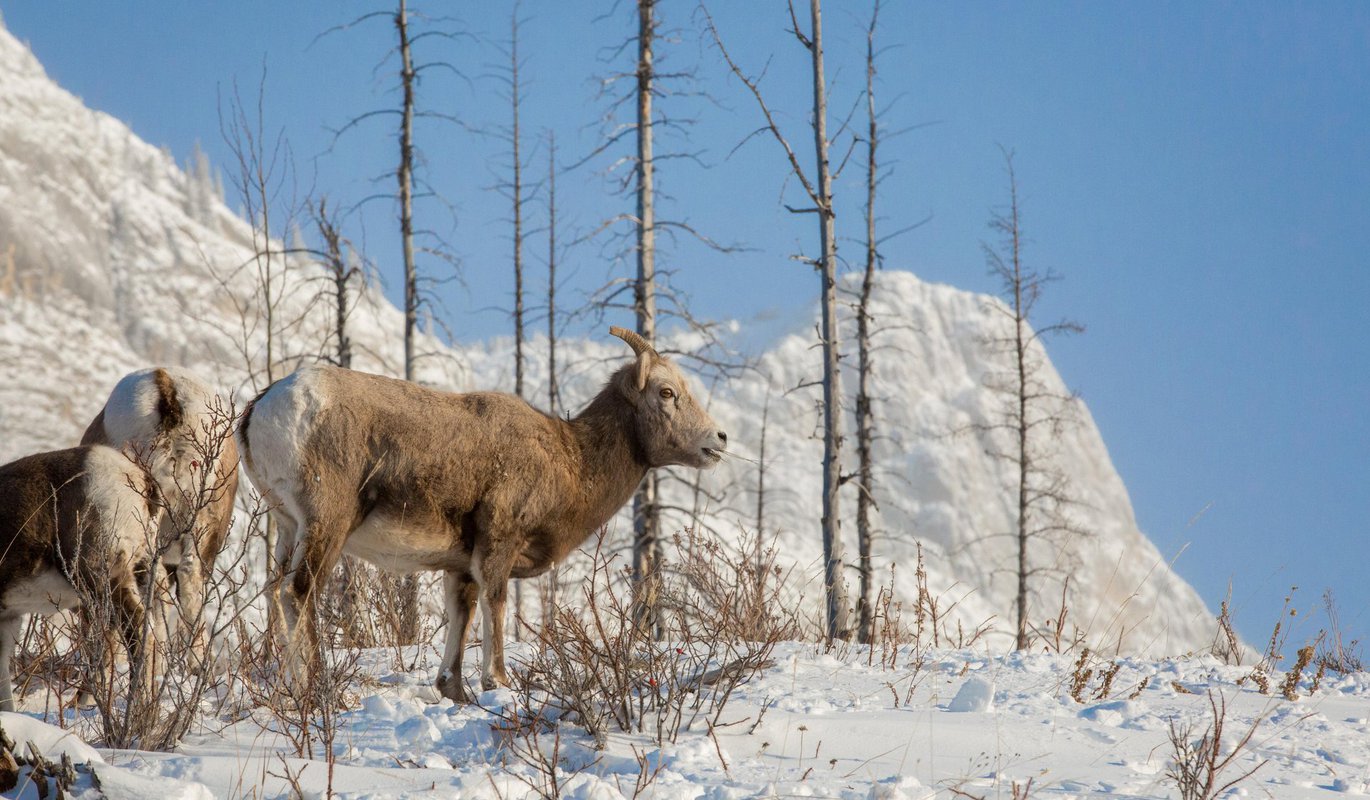
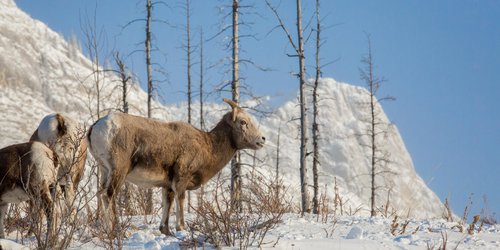
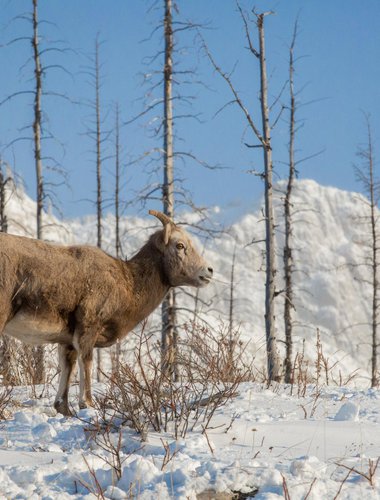
- Bighorn sheep: With their impressive curved horns, bighorn sheep are an iconic sight (they also happen to be Alberta's official mammal). Their remarkable climbing abilities allow them to navigated steep, windswept slopes where snow is shallower and food is easier to find.
- Deer: Both mule deer and white-tailed deer can be found in Jasper National Park. Look for them browsing among shrubs and trees in forested areas and open valleys.
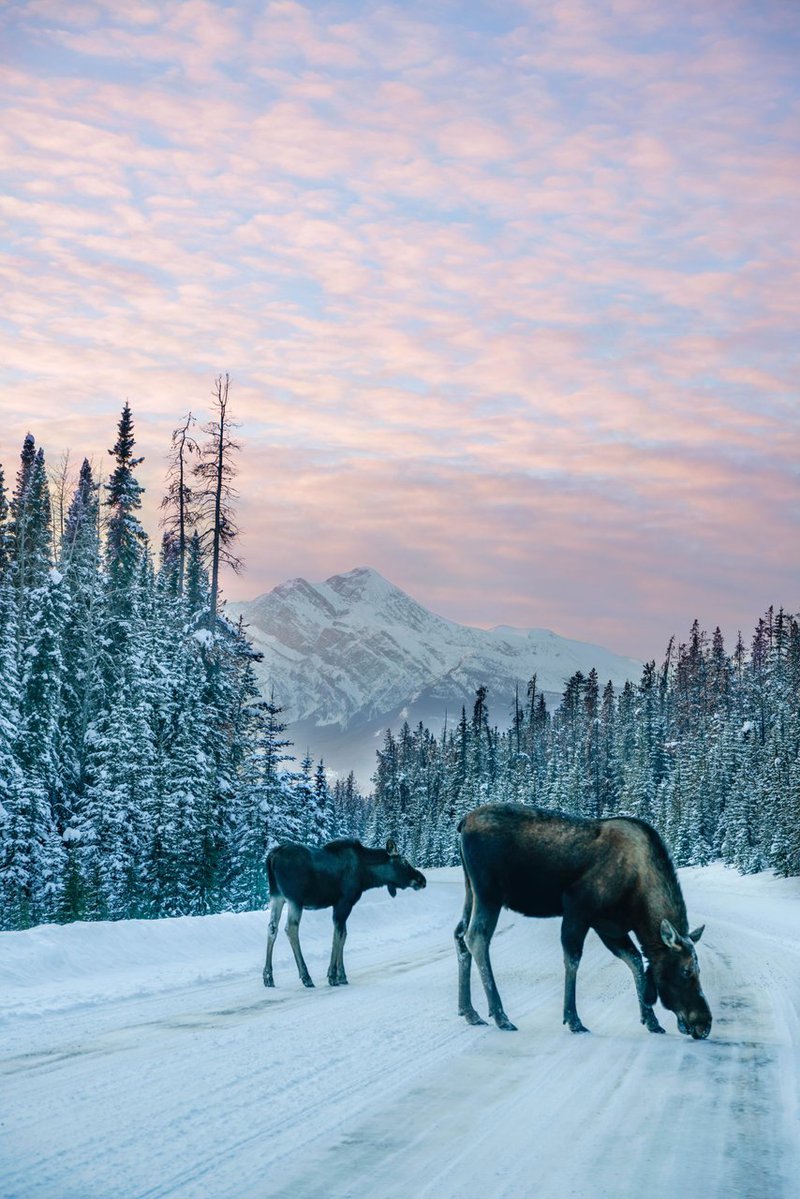
- Moose: These large and leggy rulers of the deer family prefer forest and wetland habitats. During the winter, moose browse on deciduous trees and shrubs, especially willow, aspen, balsam poplar, saskatoon, and buffalo-berry.
- Foxes and coyotes: Red foxes remain active through winter, hunting small mammals beneath the snow.
- Red squirrels and birds: Not all winter wildlife sightings involve large mammals. Listen for the chatter of red squirrels in the forest or watch ravens soaring above the valleys.
- Less common winter wildlife sightings:
- Wolves: Jasper's elusive grey wolves travel across vast territories in search of prey. In winter they tend to be concentrated along trails and roads in the valley bottoms, though chances are slim that you'll see any trace of them beyond paw prints.
- Lynx: Exceptionally difficult to spot, Canada lynx have large, furry paws that act like natural snowshoes.
Sightings are never guaranteed (these animals truly put the wild in wildlife). Part of the magic of exploring Jasper is not knowing what you might encounter around the next bend. Note: while bears do hibernate through the winter in Jasper, they aren't completely inactive and it's important to remain bear-aware throughout the year.
Further reading: Spring Wildlife Viewing in Jasper National Park
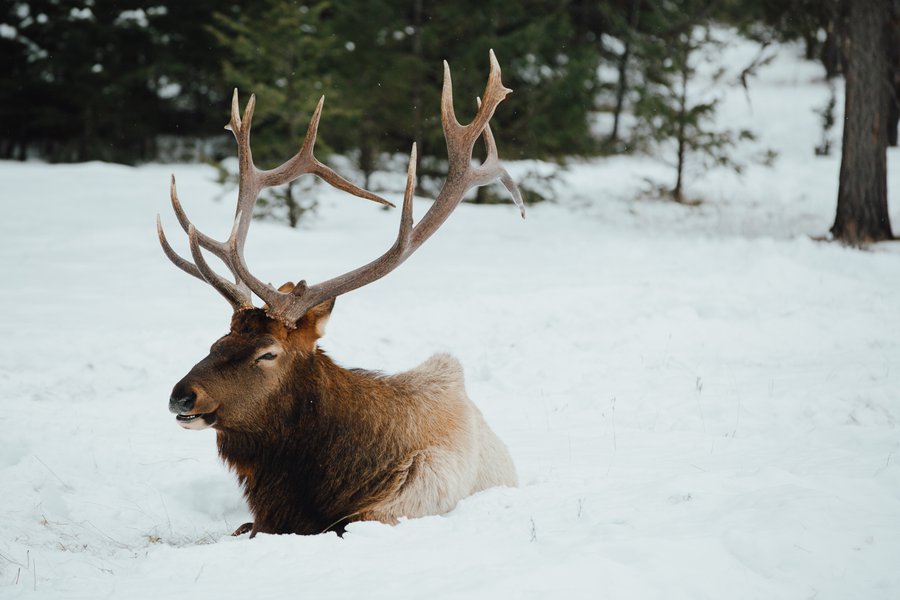
Photo: Mike Seehagel
What to expect from a guided winter wildlife tour
One of the best ways to discover Jasper's winter wildlife is with a knowledgeable local guide.
SunDog Tours' Winter Wildlife Discovery Tour takes visitors through Jasper's scenic mountain valleys in search of the animals that remain active throughout the colder months. In addition to their training and experience, guides benefit from an internal communication network that tips them off to recent sightings and active areas.
Guests may encounter elk, deer, bighorn sheep, coyotes and other wildlife while learning about their behaviour, habitats and remarkable winter survival strategies. The experience also explores Jasper's natural history and the ways its ecosystems are recovering and regenerating following wildfire.
With expert interpretation, opportunities for photography and minimal walking required, this vehicle-based tour is a great option for families, photographers and anyone interested in discovering Jasper's wild side. A guided tour also means you don't have to keep your eyes focused on the road, and ensures that guests stay safe.
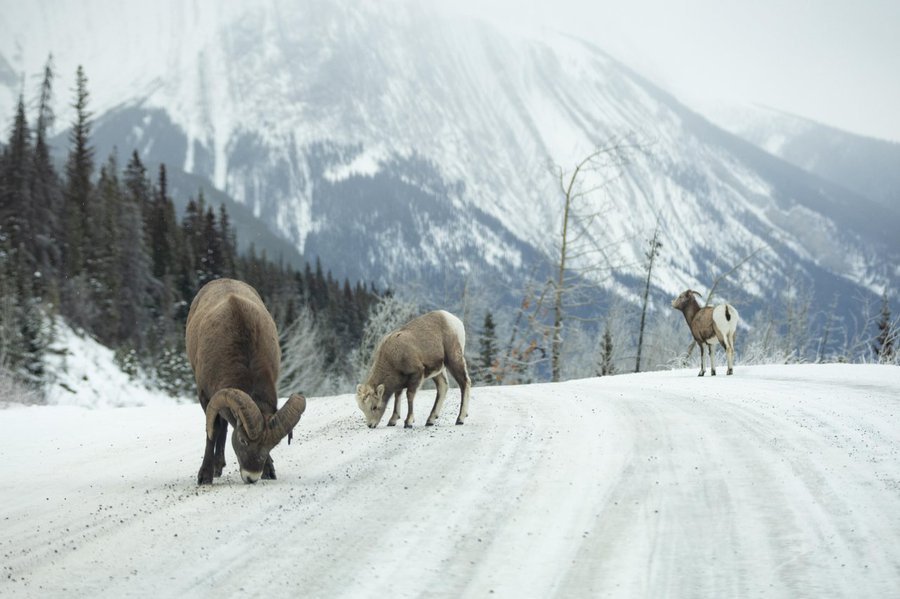
Photo: Parks Canada/Luuk Wijk
Where and when: winter wildlife viewing tips
Jasper's mountain valleys provide important winter habitat for many species. Wildlife sightings can happen almost anywhere and anytime in the national park, but some areas are particularly well known for their opportunities. Dawn and dusk tend to be the times when wildlife are up and about, but winter's shorter days mean those morning outings are a bit more manageable.
- Athabasca Valley: One of Jasper's main wildlife corridors, offering a mix of open grasslands, forests and river habitats. Elk, deer, bighorn sheep and coyotes may be spotted in this sprawling valley throughout winter. Fun fact: Jasper's large valleys are part of the reason it's one of the top places to see wildlife in North America.
- Maligne Valley: Another excellent area to look for wildlife. Its diverse habitats support species including bighorn sheep, deer and moose. Always check current road conditions before setting out.
- Highway 16: The highway corridor east and west of Jasper passes through important wildlife habitat. A good rule of thumb is that if the speed limit changes to 70kph, drivers should be on extra high alert for animals on or beside the roadway (bighorn sheep are especially drawn to the pavement, where they lick salt and even eat gravel, which can help them digest tough grasses and lichens). Also keep your eyes peeled around dawn and dusk, when wildlife tend to be more active.
- Around the Jasper townsite: You don't necessarily need to travel far to encounter wildlife in Jasper. Elk and deer are sometimes seen around town and in nearby open spaces. Remember that animals living close to people are still wild. Never approach them, even if they appear accustomed to human activity.
Important wildlife safety rules
Wildlife viewing is one of Jasper's most memorable experiences, but keeping wildlife wild is everyone's responsibility. For more information, review Parks Canada's wildlife safety guidelines.
- Keep your distance. Stay at least 30 metres from elk, deer, moose and bighorn sheep, and at least 100 metres from bears, wolves, cougars and other large carnivores. To get closer pictures, use your camera to zoom.
- Never feed wildlife. Human food can harm animals and encourage dangerous behaviour.
- Stay in your vehicle during roadside sightings. Only stop where it's safe and legal to do so, and never block traffic or create a wildlife jam.
- Don't follow animal tracks. Tracks can be fascinating to observe, but following them toward an animal may disturb it. If an animal becomes too habituated to humans, it can create a dangerous situation for both people and the animal itself.
Continue reading
Jasper's "Haunted Hotel": Inside the Astoria's New Halloween Experience
This Halloween, Jasper's historic Astoria Hotel transforms into an immersive haunted house with 12 themed rooms, live actors and two levels of scares. Discover the story behind Jasper's new haunted hotel experience, happening October 30–31, 2026, plus more spooky events during Jasper's Halloween Takeover.



Family-Friendly Events at the 2026 Jasper Dark Sky Festival
Fun, fascinating, and often free! The Jasper Dark Sky Festival's many family-friendly events make it perfect for stargazers both young and old.