
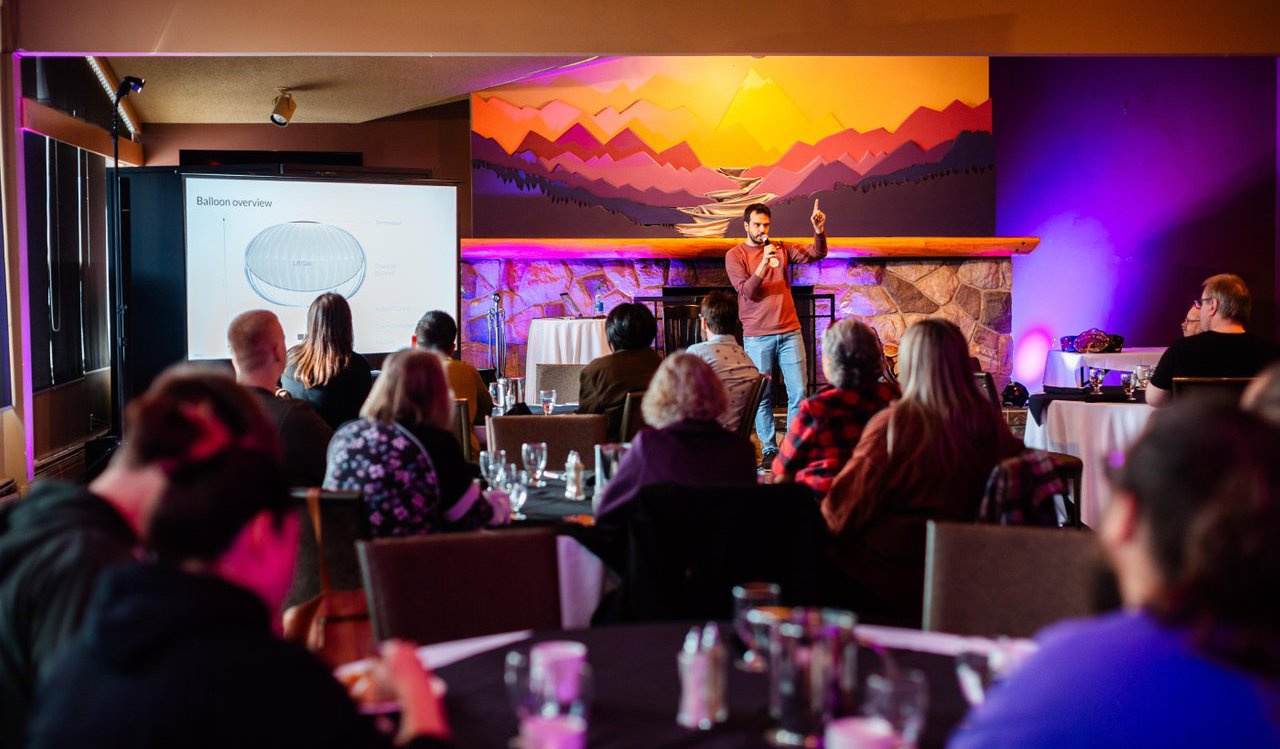
What happens to the human body when things go wrong in space? Could studying Mars help us understand how life begins? What can humanity learn from the first crewed journey around the Moon in more than 50 years? And why, after sending hundreds of people to space, have we never really studied menstruation in microgravity?
The 2026 Jasper Dark Sky Festival brings big questions down to Earth with a lineup of compelling storytellers, scientists, and science communicators exploring everything from Mars and the Artemis program to auroras, dark-sky conservation and the future of human spaceflight. This year’s featured speakers include familiar faces like CTV science and technology specialist Dan Riskin, Order of Canada recipient and longtime science broadcaster Jay Ingram, and astronaut-in-training Manju Bangalore, alongside astronomers, astrophotographers and the next generation of space explorers.
It’s all part of a festival that pairs science and storytelling with the remarkable setting of Jasper National Park—one of the world’s largest accessible dark sky preserves. Here are the speaker events to add to your 2026 Jasper Dark Sky Festival itinerary.
Find your perfect speaker and/or talk below.
Talks/topics for people obsessed with space
- The overlooked science of menstruation in microgravity with astronaut-in-training Manju Bangalore.
- Tour through stars, planets, galaxies and cosmic phenomena with astrophysicist Dr. Emma Cain-Louden.
- Calgary’s student-built satellite and the fascinating story behind the mysterious aurora-like phenomenon STEVE.
- Revisit the iconic Earthrise image and imagine humanity’s next view of Earth from the Moon.
- How remote observatories and technology are making space accessible.
- Go behind the Artemis II mission with CTV science specialist Dan Riskin and explore humanity’s return to the Moon.
- What comes after Artemis with renowned science broadcaster Jay Ingram, blending science, music, comedy, and big questions.
- Journey to Mars with Curiosity Rover scientist Dr. Benjamin Tutolo to investigate whether the planet once sustained life.
- Learn practical techniques for finding and observing celestial objects during this hands-on workshop with Slooh.
- Discover the surprisingly deadly realities of space with physician and CBC science communicator Dr. Raj Bhardwaj.
Talks that include a full meal
- A Tour of the Cosmos — plated breakfast + non-alcoholic beverage at Silverwater Grill & Lounge
- Chasing the Night — plated brunch + non-alcoholic beverage at Aalto
- Thriving in the Age of Artemis — three-course plated dinner (optional wine pairing add-on) at Evil Dave's Grill
- The Bat Signal: Popular Science with Dan Riskin — brunch main + non-alcoholic beverage at The Maligne Range
- How to Die in Space — plated brunch at Terra
- Exploring Martian Geology — plated breakfast at Papa George's Restaurant
- Discover more drool-worthy culinary events at the 2026 Jasper Dark Sky Festival here.
Free talks
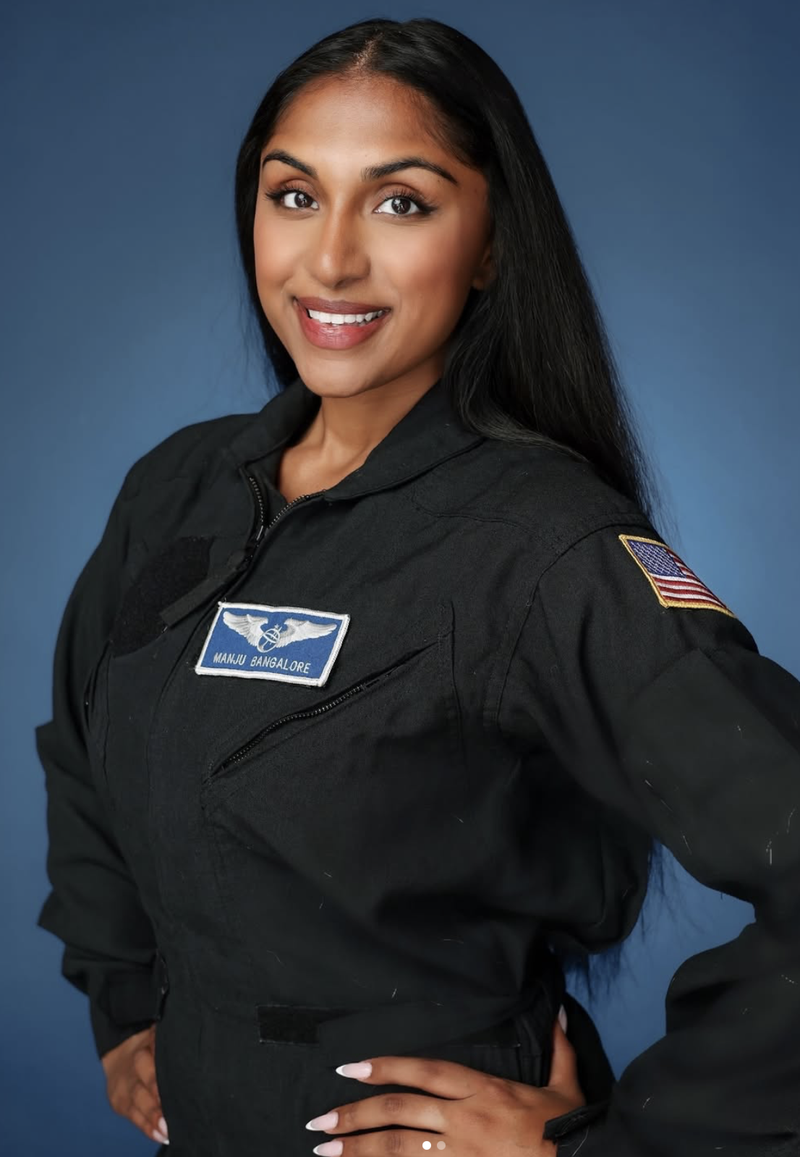
Manju Bangalore
Operation Period with Manju Bangalore
October 16 | 7–9 p.m. | The Maligne Range (upstairs) | $45 | Alcoholic beverage/mocktail + plus small bites included
More than 750 people have travelled to space, but menstruation has never been quantitatively studied in microgravity. Manju Bangalore is working to change that.
The reproductive health scientist, astronaut-in-training and founder of the nonprofit Operation Period is preparing for Operation Period-01, a research mission planned to fly aboard Virgin Galactic in 2027. Bangalore has previously worked at NASA and in the Obama White House on science policy, and her Jasper talk explores both the gaps in reproductive-health research and what it will take to design a more inclusive future for human spaceflight.
A Tour of the Cosmos with Dr. Emma Cain-Louden
October 17 | 11 a.m.–1 p.m. | Silverwater Grill & Lounge | $48 | Plated breakfast + non-alcoholic beverage included
How big is the universe—and what exactly is out there?
Presented by Slooh, astrophysicist Dr. Emma Cain-Louden leads an accessible journey beyond Jasper’s night sky to explore stars, planets, galaxies and some of the extraordinary phenomena that fill the cosmos. It’s an introduction to both the scale and beauty of the universe, served alongside a plated breakfast.
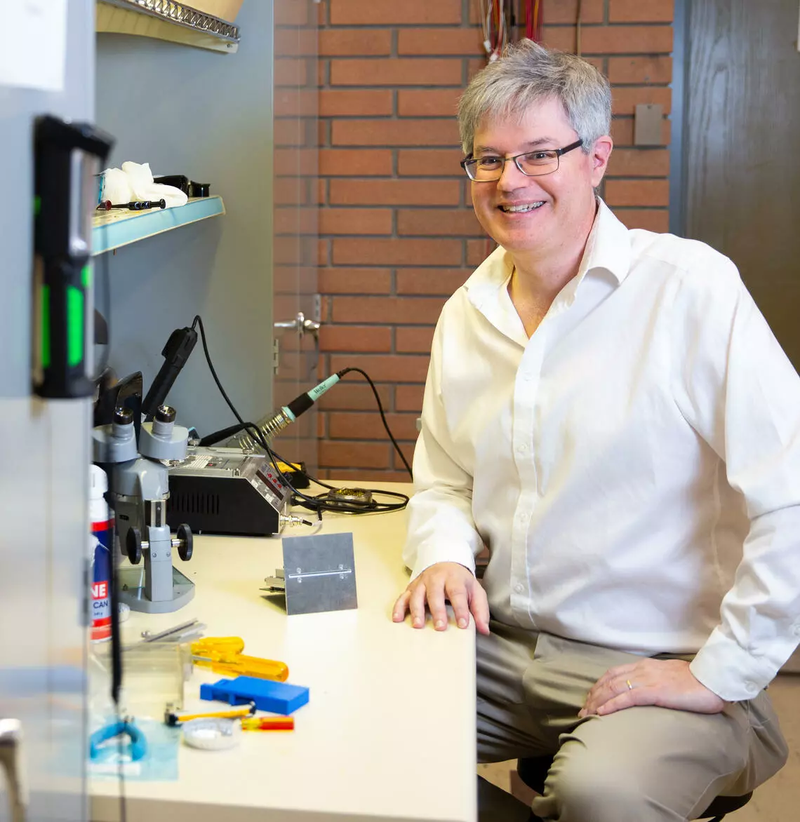
Dr. Jonathan Burchill
We Have Liftoff & The Story of STEVE
October 17 | 1–3 p.m. | Su Casa Mexican Lounge | Free; reservation required
That strange ribbon of purple light sometimes stretching across Alberta’s night sky has a name: STEVE. And its story involves both a satellite about the size of a loaf of bread and a community of dedicated aurora chasers.
University of Calgary researcher Dr. Jonathan Burchill shares the story of FrontierSat, Calgary’s first student-built satellite, designed in part to study STEVE and the space above Earth. Then Chris Ratzlaff, founder of Alberta Aurora Chasers, explores how citizen photographers helped transform an unexplained streak of light into an internationally recognized atmospheric phenomenon. Burchill’s research focuses on Earth’s upper atmosphere and the development of instruments for sounding rockets and CubeSats.
Earthrise Reimagined with Stéphane Picard
October 17 | 4–5:30 p.m. | Otto’s Cache Cafe & Provisions | Free; registration required
One photograph changed the way millions of people saw Earth. What might happen when humanity sees our planet from the Moon again?
Stéphane Picard, founder of Cliff Valley Astronomy Corp., uses the iconic Earthrise image as a starting point for a conversation about the Artemis program, the far side of the Moon and the perspective that comes from looking back at our planet from space. Picard has helped develop astrotourism experiences and established Canada’s first Dark-sky Destinations Network, bringing a distinctly dark-sky perspective to the conversation.
Why the Dark Matters with Dr. Emma Cain-Louden
October 18 | 11 a.m.–1 p.m. | The Maligne Range (upstairs) | $45 | Alcoholic beverage/mocktail + plus small bites included
Darkness isn't simply the absence of light. It is an increasingly rare natural resource.
Presented by Slooh, Dr. Emma Cain-Louden explores what artificial light means for wildlife, ecosystems, our ability to see the stars and our own connection with the natural world. The session also looks at why protecting dark skies matters and what individuals and communities can do to help preserve them.
Chasing the Night
October 18 | Noon–2 p.m. | Aalto | $48+ | Plated brunch + non-alcoholic beverage included
Put a photographer, an aurora chaser and an astronomer under the same night sky and they won't necessarily see the same thing.
Join Cliff Valley Astronomy Corp. founder Stéphane Picard, Alberta Aurora Chasers founder Chris Ratzlaff and Jasper photographer Mike Gere as they compare the different ways each of them observe and interpret the night. From photographing the Milky Way and tracking aurora to amateur astronomy, the conversation explores where their disciplines overlap—and how technology, patience and curiosity can change the way we experience a night beneath the stars.
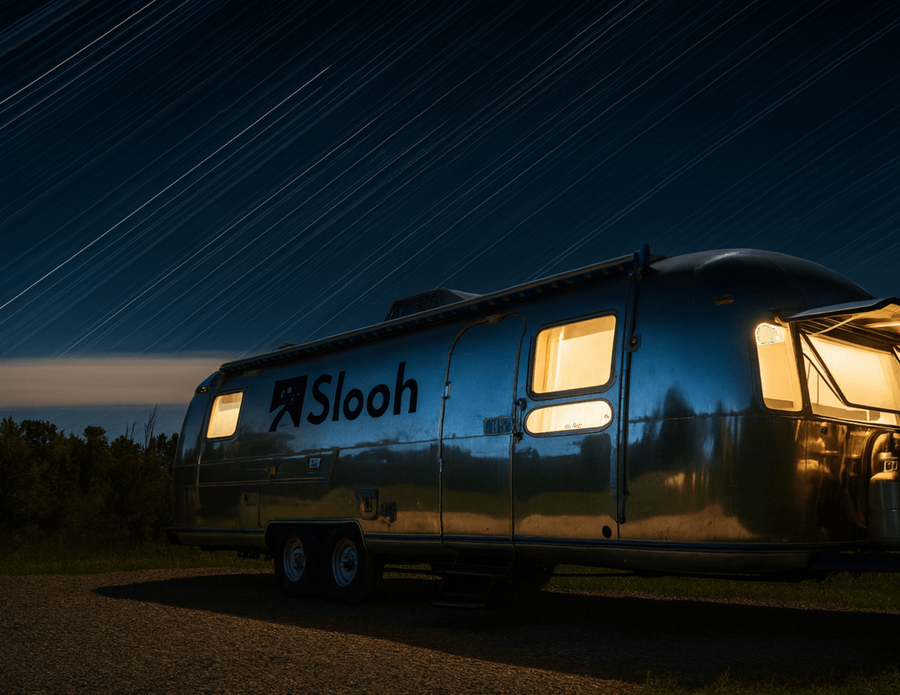
Slooh airstream
One Sky, Many Hands: Building Observatories and Communities Across Borders
October 23 | 4–5:30 p.m. | Otto’s Cache Cafe & Provisions | Free; registration required
The night sky belongs to everyone, but access to astronomy doesn't always work that way.
Michael Paolucci, founder of Slooh, shares the story of building remote observatories around the world and then using technology to open those telescopes to a much wider community. Expect a conversation about the intersection of technology, dark-sky places and the international community that can form when geography, cost and expertise are no longer barriers to exploring the universe.
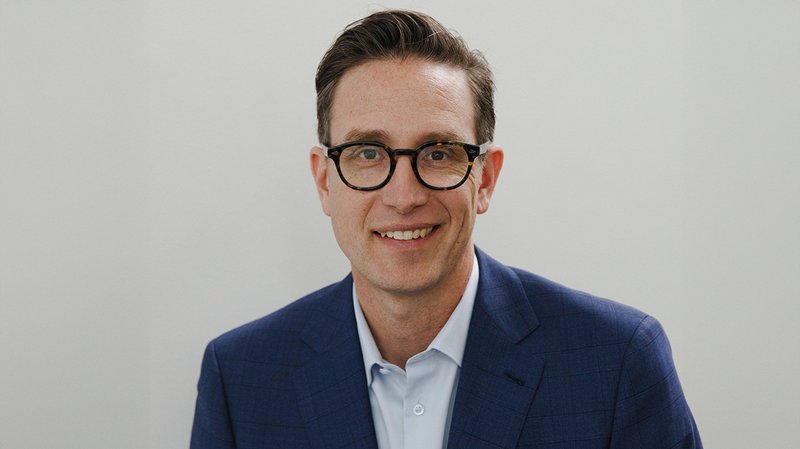
Thriving in the Age of Artemis with Dan Riskin
October 23 | 6–8 p.m. | Evil Dave’s Grill | $75+ | Three-course plated dinner included
Humanity has returned to crewed lunar exploration—and Dan Riskin wants to know what the journey can teach the rest of us.
The evolutionary biologist, bestselling author and CTV science and technology specialist takes audiences behind Artemis II, from launch to splashdown, examining the challenges faced by its four-person crew and using the mission to explore bigger ideas about trust, teamwork and tackling ambitious goals. Riskin is known for his work on Daily Planet and Monsters Inside Me, and for translating complicated science into stories made for a general audience. A three-course dinner is included, with an optional wine pairing available.
After Artemis with Jay Ingram and Giselle Lin
October 23 | 9–11 p.m. | Forest Park Hotel Ballroom | $20
Moon bases, SpaceX and a new era of exploration can make the future of space sound relentlessly optimistic. After Artemis asks what might be missing from that picture.
The evening combines science, music, comedy, and a more critical look at the modern space race, with longtime science broadcaster Jay Ingram, one of Canada's most recognizable science communicators. Ingram hosted CBC Radio's Quirks and Quarks and co-hosted Daily Planet for 16 years, has written 20 books and is a Member of the Order of Canada. Opening the night, University of Calgary science communicator and former research scientist Giselle Lin brings scientific comedy into the mix with a set about the Nobel Prize, the cost of discovery and academia.
Exploring Martian Geology to Understand How Planets Sustain Life
October 24 | 8:30–10:30 a.m. | Papa George's Restaurant | $35 | Plated breakfast + coffee/tea/juice included
Mars wasn't always the dry desert world we know today—and a surprising discovery in Gale Crater could change what we know about its ability to support life.
University of Calgary professor Dr. Benjamin Tutolo explores recent discoveries of sedimentary carbonate minerals on Mars and what they reveal about the planet's evolution, habitability and potential to have once originated life. Tutolo has studied water-rock interactions on both Earth and Mars and has served as a participating scientist on NASA's Curiosity Rover mission since 2022.
The Science of Pets: Reading and Book Signing with Jay Ingram
October 24 | 11 a.m.–noon | Jasper Public Library | Free
Why do cats purr? And how much does your dog actually understand about you?
Jay Ingram turns his attention from outer space to some very familiar creatures with a reading from The Science of Pets. The award-winning author and broadcaster explores the biology, behaviour and intelligence of the animals that share our homes, followed by an opportunity to meet Ingram and have a book signed.
The Bat Signal: Popular Science with Dan Riskin
October 24 | 11 a.m.–1 p.m. | The Maligne Range (upstairs) | $40 | Brunch main + non-alcoholic beverage included
Great science isn't much use to the public if nobody can understand it.
Dan Riskin joins Jasper Dark Sky Festival host and science journalist Niki Wilson for a conversation about turning complicated ideas into stories people actually want to hear. Drawing on Riskin's career as a biologist, author and television presenter and Wilson's work covering science, nature and the environment, the pair dig into curiosity, credibility and the role popular science plays in making sense of a rapidly changing world.
Slooh Hands-On Observation Workshop
October 24 | Noon–1 p.m. | Jasper Pop-Up Village | Free
Knowing where to look can transform a night of stargazing. Join Anna Paolucci of Slooh for an interactive workshop focused on actually finding and observing objects in the night sky. Rather than simply listening to a lecture, participants can learn practical observation techniques, ask questions and put their new skills into practice with guidance from an astronomy educator.
How to Die in Space with Dr. Raj Bhardwaj
October 25 | 11 a.m.–1 p.m. | Terra | $48+ | Plated brunch included
Space is spectacular. It's also remarkably good at killing you.
Calgary physician and science communicator Dr. Raj Bhardwaj takes a medically informed—and deliberately morbid—look at what happens when the human body encounters the hazards of space. Bhardwaj is a Clinical Assistant Professor at the University of Calgary's Cumming School of Medicine, has served as CBC Radio's syndicated "House Doctor" since 2013 and has been fascinated by space since long before his medical career began. Expect physiology, cosmic hazards and some uncomfortable answers to questions you may never have thought to ask over brunch.
Continue reading
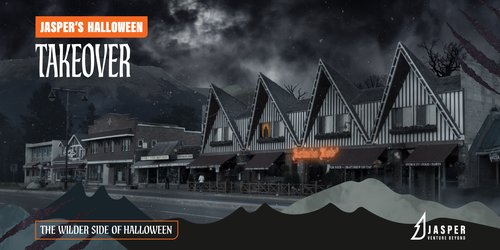
Jasper's "Haunted Hotel": Inside the Astoria's New Halloween Experience
This Halloween, Jasper's historic Astoria Hotel transforms into an immersive haunted house with 12 themed rooms, live actors and two levels of scares. Discover the story behind Jasper's new haunted hotel experience, happening October 30–31, 2026, plus more spooky events during Jasper's Halloween Takeover.
Family-Friendly Events at the 2026 Jasper Dark Sky Festival
Fun, fascinating, and often free! The Jasper Dark Sky Festival's many family-friendly events make it perfect for stargazers both young and old.
Eat, Drink & Stargaze: Culinary Events at the 2026 Jasper Dark Sky Festival
Eat up while you look up at the Jasper Dark Sky Festival! From a sunset dinner high above the town on Whistlers Mountain to new cocktails that'll have you seeing stars, here's the tastiest events happening during the 2026 festival.