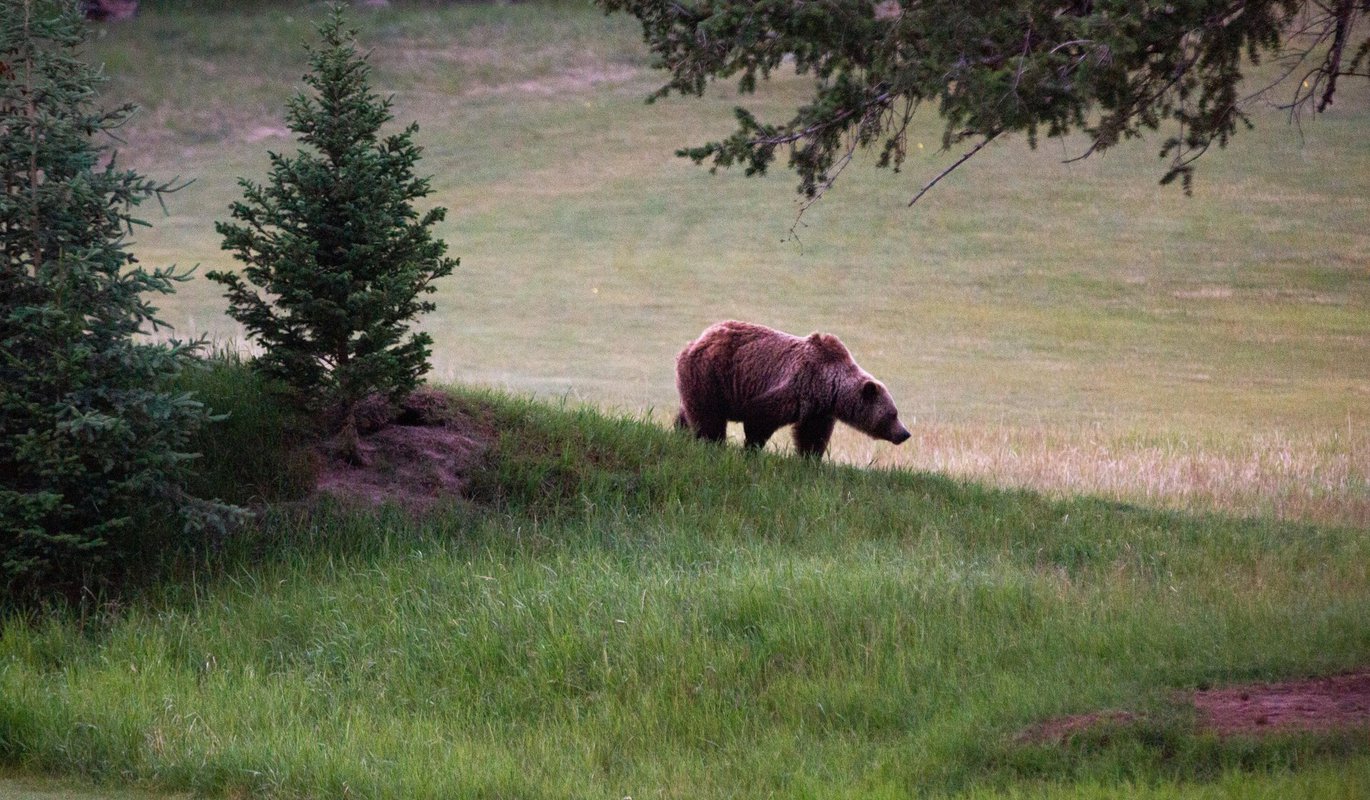

Jasper National Park is one of the best places in North America to see wildlife in their natural habitat. With its wide valleys, smaller highways, and massive protected area, it's no wonder Jasper is a magnet for nature lovers, photographers, and families from around the world. Summer is a great time to see the abundant wildlife in this UNESCO World Heritage Site; going on a guided tour is the best way to ensure a viewing but it's far from the only way.
As the largest national park in the Canadian Rockies, Jasper is home to an incredible diversity of wildlife, including elk, moose, bears, mountain goats, bighorn sheep, wolves, coyotes, and countless bird species. Whether you're planning your first visit or returning for another mountain adventure, this summer wildlife guide will help you get the most out of your visit to Jasper.
This guide answers the following questions:
- Is summer a good time to see wildlife in Jasper?
- How to see wild animals in the national park (safely)?
- What does a wildlife viewing tour include?
Is summer a good time to see wildlife in Jasper
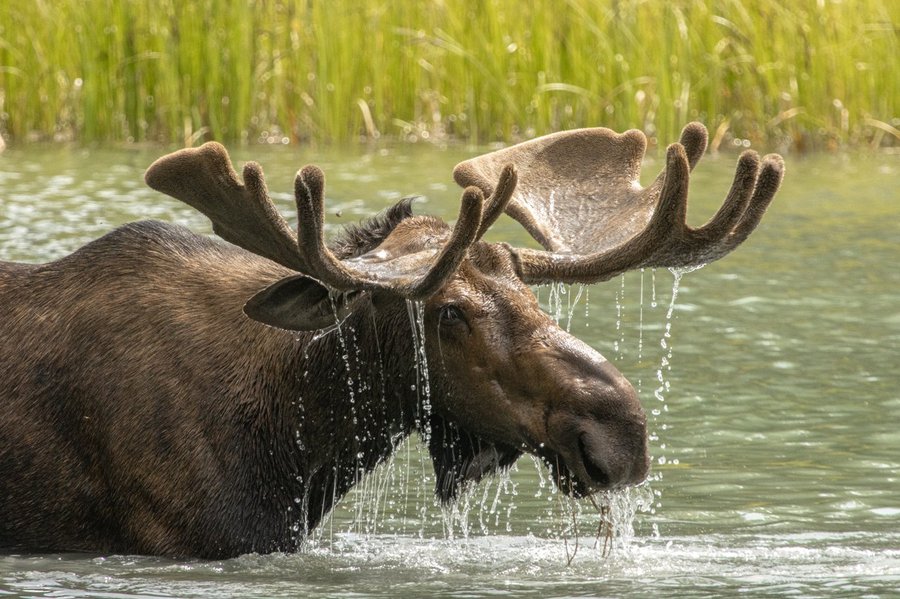
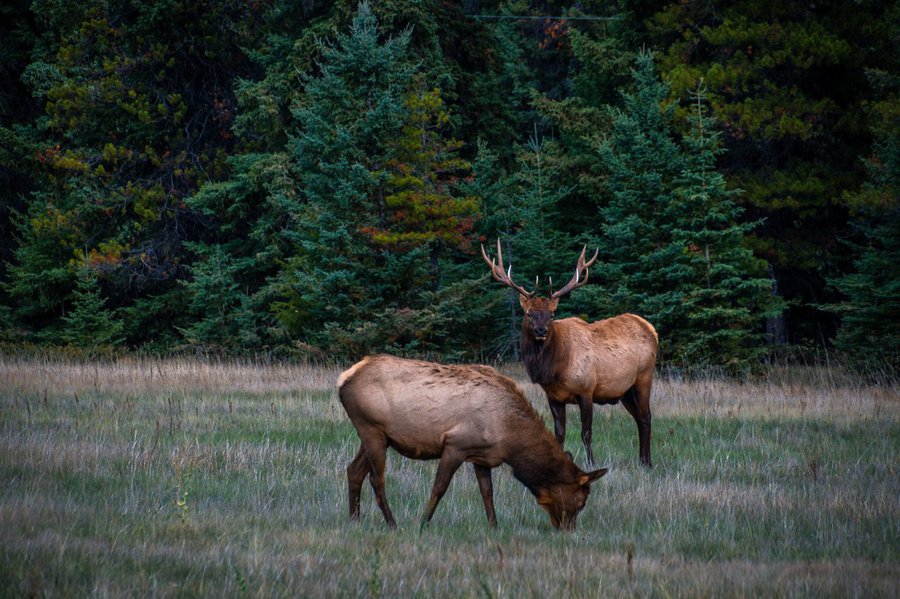
The warmest months of the year are when wildlife are laser focused on eating as much as possible, and are thus a bit more visible. With its lower elevation (compared to other nearby mountain town) Jasper has a slightly longer growing season and animals take advantage by chowing down en masse on all the recently greened vegetation to fatten up for the winter ahead. Animals spend much of their time feeding in valley bottoms, beside roadways, meadows, wetlands, and along mountain slopes. Visitors don't have to search hard in order to see:
- Elk (mother elk are aggressively protective of their calves in May and June)
- Mountain goats and Bighorn sheep
- Black bears
- Grizzly bears (especially in late May/early June)
- Deer (both white-tailed and mule deer)
- Marmots and pikas
Less common but still often spotted:
- Moose
- Coyotes,
- Foxes
Jasper is also home to many more shy and elusive animals you're unlikely to see, like lynx, wolves, and wolverines. It is also a refuge for many endangered species, such as Woodland caribou, Athabasca rainbow trout, black swift, and more.
Best time of day to see wildlife in summer
Wildlife is typically most active:
- Early morning
- Late evening
- During cooler periods of the day
These quieter hours often provide the best opportunities for sightings and photography. During the summer, daylight hours extend (around 17 hours long at the summer solstice) and dawn comes early. This is great for packing in more adventures into your days, but can mean a sleepy start if you want to see wildlife at their most active.
What Does a Wildlife Viewing Tour Include?
A wildlife tour offers much more than transportation to wildlife hotspots. Guides combine years of local experience and knowledge, plus daily observations from other guides to quickly locate animals and interpret their behaviour.
On a typical wildlife tour you can expect:
- Transportation in a comfortable sightseeing vehicle
- Visits to prime wildlife habitats
- Stops at active wildlife viewing locations
- Interpretation of animal behaviour
- Photography opportunities
- Wildlife safety education
- Local stories and conservation insights
Because guides are constantly sharing information about sightings and animal movements, visitors often have better opportunities to find wildlife than they would exploring independently.
But the tours aren't just about spotting animals: visitors learn where wildlife lives, how to view animals responsibly, and how to enjoy Jasper's landscapes safely on their own after the tour. In Jasper, you're not seeing animals in an enclosure—you're watching them live their lives in a protected ecosystem.
Here’s a few of Jasper’s best companies with wildlife-focused experiences.
SunDog Tour Co. — year-round wildlife tours include guided transportation on mini-coach buses with oversized sightseeing windows — some even slide open, enabling unobstructed photography. Guests can also touch genuine horns and furs from local specimens.
Maligne Adventures — highly rated wildlife tours are offered after sunrise or before sunset from May 2 to October 4. Complimentary pick-up is available from select accommodations.
Jasper Hikes & Tours Inc. — Wildlife & Hike experience starts around 7 am and ends mid-afternoon with a picnic lunch provided for an additional fee. Offered in May, June, and September.
Wildlife photography tours
Wildland Photo Tours — is perfect for shutterbugs. Their private wildlife-focused photo tours are capped at 3 participants, last four hours, and run in September and October.
Jasper Photo Tours — has windows that open and insider knowledge of the best spots. Three-hour tours include personalized instruction and insightful critiques.
Jasper Food Tours — E-Bike Safari Eco-Tour passes through areas inaccessible by bus to observe wildlife from a distance.
Further reading: Photographer Seth Macey gives his take on whether a wildlife tour is worth it.
How to stay safe when viewing wildlife
There are three keys to interacting with wild animals:
- Never feed or bait animals.
- Always keep your distance. At least 100 metres from bears and 30 metres from elk, deer, and moose.
- Stay in your vehicle if watching from the road. Prevent wildlife jams by pulling over to the road's shoulder to observe wildlife.
Further reading:
- Bear safety tips
- Parks Canada's wildlife guidelines
Continue reading
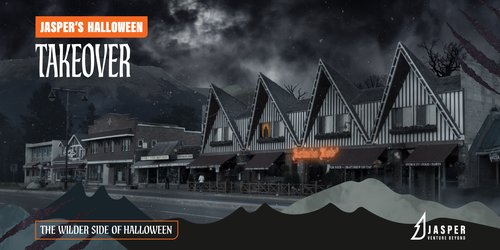
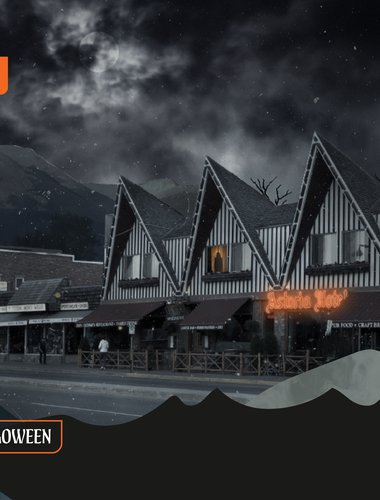
Jasper's "Haunted Hotel": Inside the Astoria's New Halloween Experience
This Halloween, Jasper's historic Astoria Hotel transforms into an immersive haunted house with 12 themed rooms, live actors and two levels of scares. Discover the story behind Jasper's new haunted hotel experience, happening October 30–31, 2026, plus more spooky events during Jasper's Halloween Takeover.

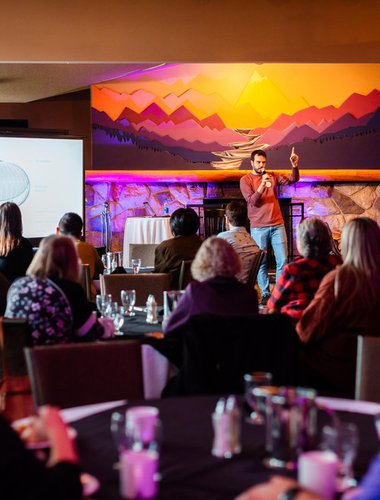
Family-Friendly Events at the 2026 Jasper Dark Sky Festival
Fun, fascinating, and often free! The Jasper Dark Sky Festival's many family-friendly events make it perfect for stargazers both young and old.
Eat, Drink & Stargaze: Culinary Events at the 2026 Jasper Dark Sky Festival
Eat up while you look up at the Jasper Dark Sky Festival! From a sunset dinner high above the town on Whistlers Mountain to new cocktails that'll have you seeing stars, here's the tastiest events happening during the 2026 festival.